
How to Make a Leather Jacket at Home: A Complete Step-by-Step Guide

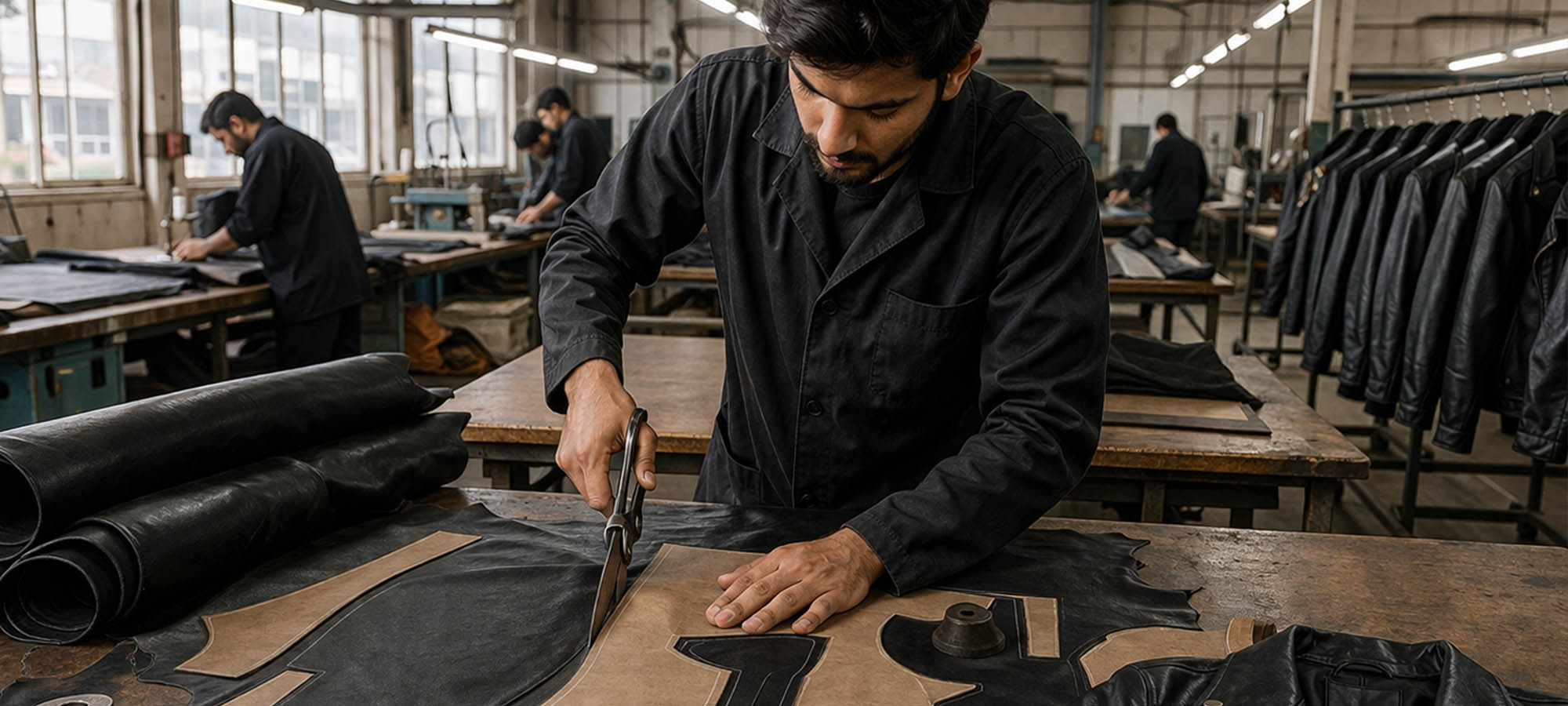
Have you ever wondered how to make a leather jacket at home that looks and feels like it came straight off a designer runway? You’re not alone. The leather jacket remains one of the most iconic, timeless, and versatile garments in fashion — and making one yourself is far more achievable than most people think.
This complete step-by-step guide covers everything: selecting the right leather or vegan alternative, preparing a pattern, understanding construction techniques, and adding hardware and finishing details that elevate your jacket from handmade to hand-crafted. Whether you’re a confident home sewer or an adventurous beginner, this guide will walk you through seven distinct leather jacket styles — from a slouchy oversized moto to a fringe-forward western — with the exact techniques each one requires.
Before you pick up the scissors, let’s cover the non-negotiables every leather sewing project demands: mock up in muslin first, use a leather or Teflon presser foot, never pin the leather (use clips or glue-basting instead), select a leather or microtex needle, and always press seams with a press cloth — never direct steam on real leather. With those fundamentals locked in, you’re ready to begin.
1. The Oversized Moto: Slouchy, Boxy, Off-Duty Perfection
The oversized moto jacket is the defining leather silhouette of the moment. With its dropped shoulders, exaggerated proportions, and relaxed fit, it channels that effortlessly cool energy that makes it equally at home styled over a slip dress or thrown on a hoodie.
Pattern and Silhouette
Start with a slouchy pattern that features dropped shoulder seams. Size up one or two sizes from your usual and add 2–3 extra inches to the hem for the characteristically boxy silhouette. The volume in this jacket lives at the shoulder — not throughout — so avoid patterns with fitted side seams or darts.
Material and Interfacing
Use midweight cowhide (3–4 oz) for authentic structure, or a similarly weighted faux leather. The wide lapels and collar require firm sew-in interfacing — fusible interfacing bonds poorly to leather and will delaminate over time. Cut the interfacing slightly smaller than the leather panel to prevent bulk at seam edges.
Hardware and Finishing
The asymmetrical front zipper — offset to one side — is this jacket’s signature detail. Pair it with bold D-rings, chunky cuff zips, and matte or antique-finished hardware. Topstitch exactly 1/8 inch from every seam edge for a crisp, designer-quality finish. Finish raw interior seams with leather tape or a simple whipstitch to protect the hide.
2. Cropped Biker with Sculpted Waist: Body-Conscious Craftsmanship
This style proves that leather jackets aren’t just about edge — they’re about precision fit. The cropped biker with princess seams hugs the torso and cinches the waist for a silhouette that’s as architectural as it is wearable.
Drafting the Fit
Draft a hem that ends at or just below the natural waist. Use contoured princess seams running from the shoulder through the bust and down to the hem — these curved seams are what create the sculpted shape. Always test princess seams in muslin first; curved seams in leather must be clipped along the convex edge every half inch before glue-basting to prevent puckering and pulling.
Fabric and Stabilization
Supple lambskin (1.5–2 oz) or soft PU leather eases gracefully around curved seams. Stabilize all zipper areas with a strip of stay tape pressed flat along the seam allowance — this prevents rippling under zip tension. Line the body in breathable twill or cupro; avoid polyester satin which traps heat against the skin.
Details and Closure
Add wrist zips (4–6 inches at each cuff) and decorative snap tabs at the collar. Finish the hem with a clean faced hem rather than a turned hem, eliminating bulk while producing a sharp, clean edge. Topstitch all visible seams for consistency.
3. Minimalist Blazer-Style Leather Jacket: Refined, Modern, Effortless
Not every leather jacket needs hardware and attitude. The blazer-style leather jacket takes the clean lines of tailoring and executes them in leather for a result that works in boardrooms and cocktail bars alike.
Pattern and Seam Reduction
Choose a single-breasted blazer pattern and then remove every unnecessary seam — back vents, decorative panels, anything that breaks the leather’s visual plane. Large, uninterrupted leather surfaces read as luxurious. A classic notch or shawl lapel gives the most refined result.
Material and Pressing
Smooth nappa (2–2.5 oz) or a matte coated vegan leather is ideal. Press every seam using a thick press cloth and a wooden clapper — never apply steam directly to real leather. Roll seam allowances flat with a bone folder or seam roller after glue-basting to eliminate any ridge on the right side.
Details for Refinement
Edge-stitch lapels at exactly 1/16 inch from the fold to lock the lapel roll. Construct welt pockets — not patch pockets — to keep front surfaces clean. Replace traditional buttons with low-profile snaps set slightly inward, keeping every line understated and deliberate.
4. Utility Belted Safari Jacket: Function Meets Fashion
The utility jacket is having a serious moment. This style leans into the safari’s workwear heritage with roomy bellows pockets, a D-ring belt, and flat-felled seams that are both beautiful and bombproof.
Pattern Base and Pockets
Start with a shacket or safari pattern. Draft bellows pockets with a center pleat that expands when the pocket fills, maintaining a clean front silhouette when empty. Add a D-ring belt at the waist — either self-fabric or grosgrain-backed. Interface all pocket flaps with medium-weight sew-in interfacing to prevent drooping.
Material Options
Oil-tan or waxy pull-up leather develops a rich patina with wear — perfect for the safari’s utilitarian spirit. For a lighter hybrid, use coated canvas at the body with leather at the collar, cuffs, and pocket flaps. Both approaches deliver the aesthetic authentically.
Seam Construction and Durability
Flat-felled seams — or a faux flat-felled version topstitched in two parallel rows — reinforce every stress point while creating the jacket’s workwear signature. Add bar tacks at the base of all pocket openings and strap attachment points. Use matte gunmetal or olive-finish hardware; shiny chrome would undercut the utilitarian character entirely.
5. Shearling-Trim Aviator Bomber: Statement Collar, Classic Silhouette
The aviator bomber occupies a unique space in leather jacket history — it’s rooted in function but perfected by fashion. A shearling-lined collar transforms the classic bomber into a statement piece that looks as good open as it does zipped.
Pattern and Collar Construction
A raglan sleeve base is easier to sew in leather than a set-in sleeve because it eliminates the curved sleeve cap ease that can pucker in stiffer materials. Extend the collar pattern by 2–3 inches so the shearling facing makes a bold, visible statement when the jacket is worn open.
Working with Faux Shearling
Faux shearling bonded to faux leather as a single composite fabric is dramatically easier to handle than real shearling — it behaves as a single layer rather than requiring you to join two separate materials at the collar edge. Test pile height before committing: longer pile looks luxurious but catches in machinery more easily.
Construction and Interior Finish
Install a heavy-duty #8 or #10 molded-tooth center front zipper. Finish cuffs and the hem band with rib knit or leather strips. Skip a full lining and instead bind all interior seams with grosgrain tape — this keeps the jacket lighter, cooler, and avoids the challenge of lining a curved bomber hem.
6. Color-Blocked Patchwork Panel Jacket: Upcycled, Artistic, Runway-Ready
This style turns sustainability into a design principle. By sourcing panels from thrifted leather garments and mapping them into a color-blocked composition, you create something genuinely one-of-a-kind — and often at a fraction of the cost of new leather.
Panel Design and Layout
Map your entire panel layout on tracing paper before cutting anything. Vary panels by color, texture, and finish — matte beside patent, smooth beside pebbled — for a color-blocked effect that reads intentional rather than accidental. Keep color boundaries aligned with the jacket’s natural seam lines for the cleanest, most architectural result.
Upcycling Technique
Condition thrifted leather before cutting. Skive (thin) all seam allowances with a leather skiver — thick allowances create visible ridges on the right side in patchwork construction. Press panel joins open with a seam roller, not an iron.
Seam as Design Element
Use zigzag or lapped seams as design lines themselves — the visible join becomes part of the aesthetic. Stabilize the back side of all stress joins at curves and corners with leather tape or twill. This prevents lapped seams from opening at high-flex points like underarms and side seams.
7. Fringe-Forward Western Moto: Movement, Drama, Statement
The western motif is leather craftsmanship at its most expressive. Fringe has a long history in both indigenous craft and high fashion, and when executed with intention — on-grain cuts, anchored at seams, paired with a modern moto zip — it delivers movement and personality that no other detail can match.
Fringe Anchoring and Cutting
Fringe must be sewn into a seam — never glued or applied to a finished edge. Extend yokes and sleeve seams specifically to create built-in anchor lines for fringe strips. Cut fringe on-grain (parallel to the hide’s backbone) so each strand hangs straight and moves cleanly; off-grain fringe curls and tangles in wear.
Material for Maximum Movement
Suede or split leather is essential — smooth leather has too much memory and the fringe won’t sway properly. Test your intended fringe length (4–6 inches is the sweet spot for most builds) by cutting a test strip and moving in it briefly. The ideal length varies with your height and the specific hide’s weight.
Hardware and Composition
Add cone studs or whipstitch accents at yoke edges and cuff points sparingly — the fringe is the hero and studs are supporting cast. A classic asymmetrical moto zipper at the center front modernizes the western aesthetic; without it, the jacket risks reading as costume. Align stud placement with the zipper’s diagonal line for a cohesive visual composition.
Conclusion: Your Leather Jacket Roadmap
Making a leather jacket at home is one of the most rewarding projects in garment construction — and one of the most technically instructive. Every style in this guide teaches you something different: the oversized moto builds pattern confidence, the patchwork jacket sharpens your eye for composition, the safari builds construction discipline, and the western moto rewards creativity and risk-taking.
The universal roadmap is always the same: mock up in muslin, cut thoughtfully with clips not pins, glue-baste seams before stitching, topstitch consistently 1/8 inch from every seam edge, and install hardware last. Master those five steps and every jacket you make — regardless of style — will carry a professional quality that reflects the time and craft you’ve invested.
Don’t be afraid to iterate. Swap the materials from one style into the silhouette of another. Add fringe to a safari yoke. Block-color a bomber. Put a shearling collar on a blazer. The seven styles here are starting points, not endpoints. The more leather you sew, the more fluent your hands become — and the more personal and distinctive your jackets will be. Now go make something worth wearing for the next twenty years.